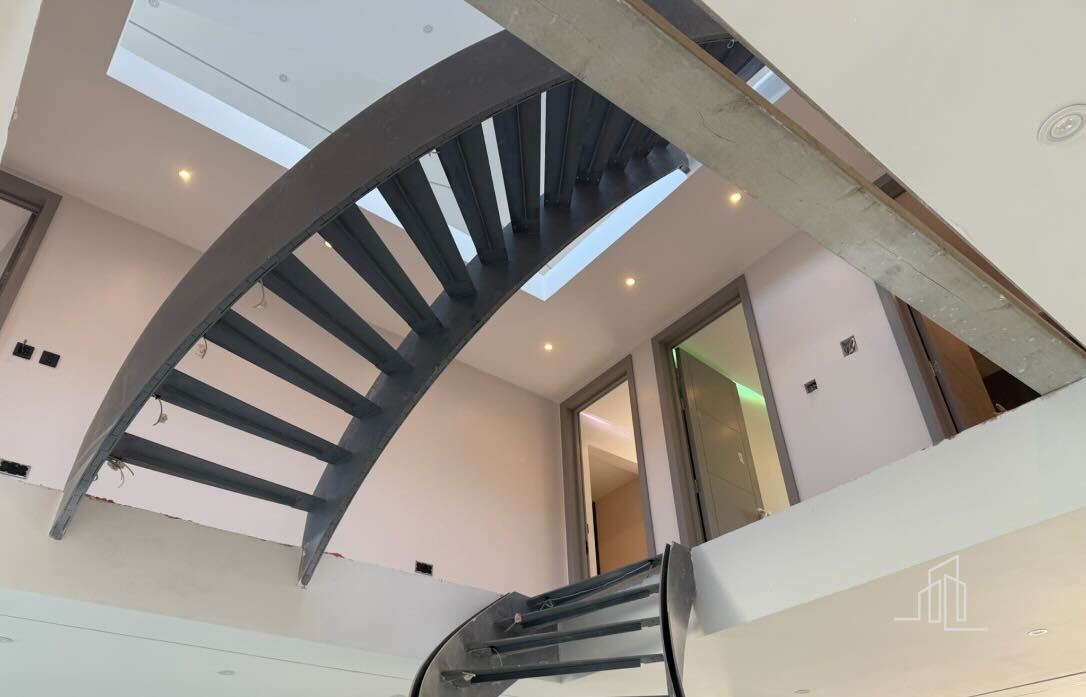
Why Cheap Metal Stair Railings Often Cost More in the Long Run?
As statistics and our practice demonstrate, most homeowners mainly think about style and cost while planning a staircase. And that’s a mistake that could cost you dearly. The metal stair railings’ aesthetic appeal usually takes centre stage. Yet the longevity and functioning of a staircase are governed by a host of factors far beyond mere design. More than a mere ornament, a staircase is actually a building component that must be capable of enduring the wear and tear of everyday use and repeated loadings.
Changes in material strength, structural stiffness, and other engineering factors are some of the elements that affect the stability of a staircase over time. If these factors are given due attention at the design stage, then a metal staircase can be sturdy and dependable even after many years. In this article, we will tell you more about what can happen when you work with contractors who install metal staircases in the UK and offer low-quality materials. What’s more, we will tell you how to avoid this!
When Homeowners Discover Problems After Installation?
In our experience, a noticeable number of homeowners contact us after their staircase has already been installed by another contractor. At first, everything may look perfectly fine. The design appears modern, the railings seem secure, and the installation looks complete. However, after several months of daily use, some people begin to notice that the railing moves slightly when touched or that the staircase no longer feels completely rigid.
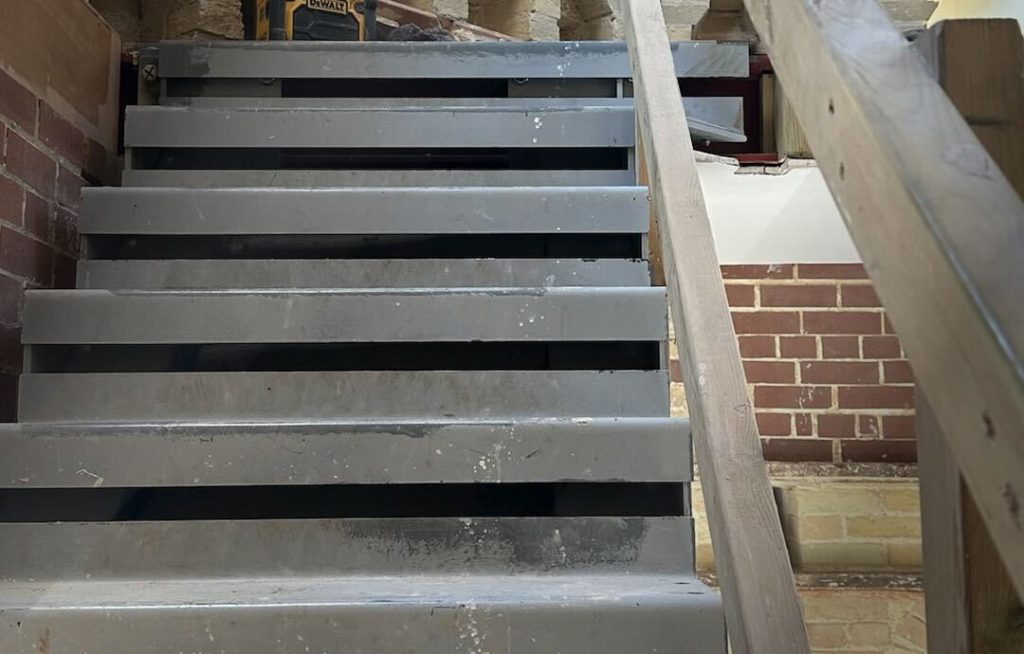
In many of these situations, the issue is not immediately visible. The movement often appears gradually as the structure experiences regular loads over time. This can happen when the staircase frame has been made using thinner metal sections, insufficient structural support, or poorly planned fixing points. While the staircase may still look attractive, these structural details determine how stable the system remains in the long term. This is why careful engineering and proper material selection are essential when designing metal stair railings.
What Really Determines the Durability of Metal Stair Railings?
First things first! The durability of metal stair railings is influenced by a number of structural factors. A staircase is continually passing on weight through various parts of its frame and the points where the parts are joined. So, each step applies force onto the structure. In case the frame or fixings lack adequate strength, even the most visually designed staircase can gradually lose its firmness over time. Therefore, skilled staircase makers focus a lot on how the structure is planned and put together.
Structural Stability Matters More Than Appearance
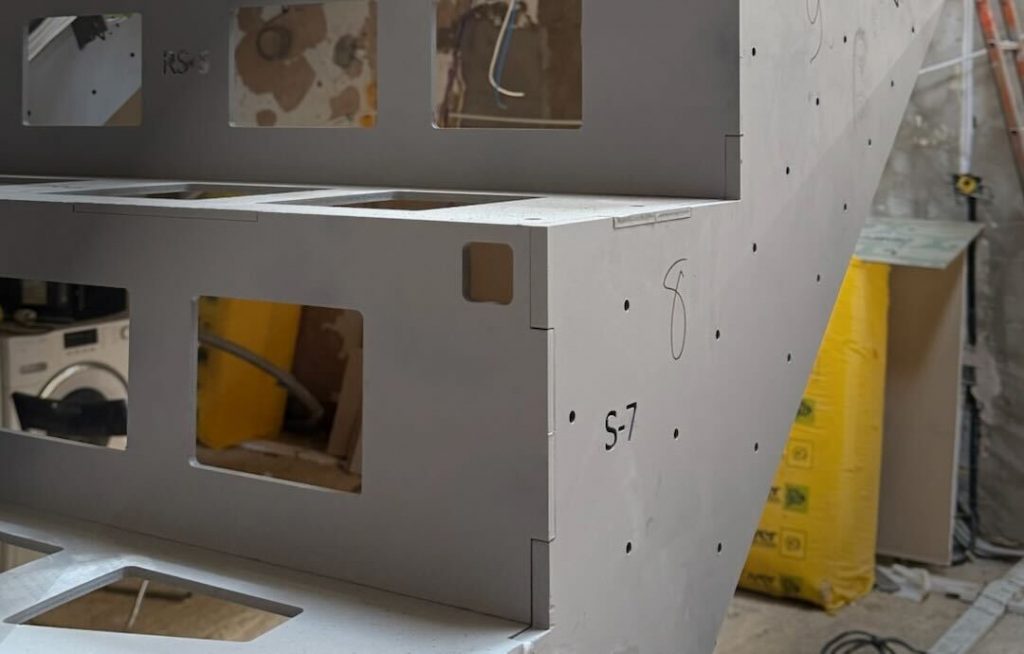
At first glance, most staircases appear similar. Clean metal lines, modern railings, and minimalist forms create a sleek architectural feature. Yet behind the visible design lies the structural system that determines whether the staircase will remain stable over time.
A staircase functions as a load-bearing structure within the home. Every step transfers weight through the frame and into the building itself. Because of this, the structure must be rigid enough to handle repeated loads without developing movement. Here are several structural elements influence the stability of metal stair railings:
- The rigidity of the steel frame.
- The positioning of fixing points.
- The thickness and quality of metal components.
When these elements are carefully engineered, the staircase remains stable even after years of use. A well-designed system prevents unwanted movement and supports the long-term durability of the entire metal staircase.
Why Some Stair Railings Start Moving Over Time
Sometimes the structural movement of a staircase in many homes is not visible immediately. A very stiff system may be a newly installed one. Nevertheless, small changes may uncover themselves, after months or years of using the stairs daily.
Occasionally, a homeowner discovers that the railing moves slightly when touching it or walking upstairs creates a small vibration. Such variations arise from the structure’s dynamics and not from one single visible flaw. Some of the indicators that a staircase’s stability has diminished are a little give in the railing when it is pushed, minor vibrations while walking on the stairs, and tiny loosening at the connection points. All of these signs might not necessarily be pointing to a severe structural issue but could be the indication that the staircase frame is being moved by the load.
The Hidden Cost of Lightweight Metal Structures
Lightweight metal structures are sometimes used in modern staircase designs because they require less material and can reduce overall costs. In certain cases, this approach can work well, especially when the structure is carefully engineered.
However, when the structural margin becomes too small, the staircase may gradually lose rigidity over time. Even slight flexibility in the frame can affect how stable the staircase feels during everyday use. When movement becomes noticeable, homeowners may look for ways to improve the stability of the structure. Possible corrective work can include reinforcing certain areas of the frame or adjusting connection points. Typical reinforcement solutions may involve:
- Strengthening sections of the frame.
- Adjusting structural fixing points.
- Replacing parts of the railing system.
While these adjustments can improve stability, they often require additional work after the staircase has already been installed.
The Role of Steel Quality in Staircase Construction
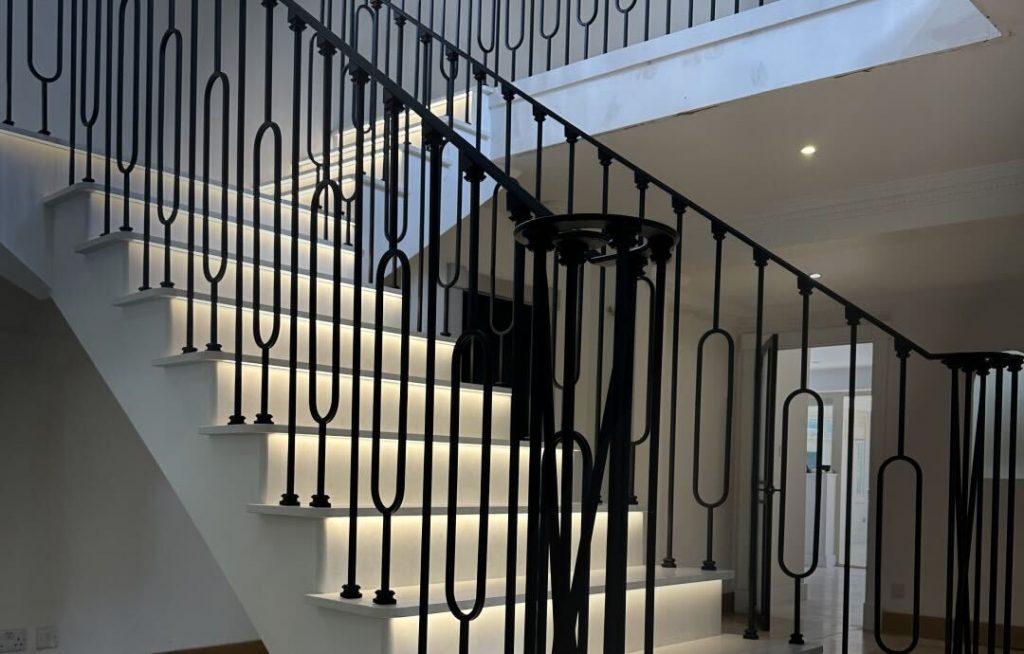
The type of steel used in a staircase plays a significant role in how strong and durable the structure will be. Structural steel is manufactured in different grades, each designed to handle specific loads and stresses. In staircase construction, steel grades determine how much force the material can withstand before it begins to deform.
This property is known as yield strength and is one of the most important characteristics of structural steel. Two commonly used steel grades in metal fabrication are S235 and S355. The numbers indicate the yield strength of the steel, which means the maximum stress the material can safely handle before permanent deformation occurs. Choosing the right structural steel staircase materials helps ensure that the staircase remains stable and resistant to movement throughout its lifespan.
Why Stronger Structural Steel Is Used for Load-Bearing Elements?
The structural parts of a staircase carry most of the load generated by daily use. These elements include the main frame, metal stringers, and support components that connect the staircase to the surrounding structure.
S355 | For these load-bearing elements, stronger steel grades such as S355 are often used. This steel offers greater resistance to bending and deformation, making it suitable for structural applications where rigidity is essential. |
S235 | Other components of the staircase may use S235, depending on their role within the structure. Secondary parts that carry less load can use this grade while still maintaining sufficient strength. |
What else might be useful? You can read our article on current building regulations for staircases in the UK at this link → https://vpstairs.com/relevant-building-regulations-for-staircases-in-the-uk/
How Material Choice Affects Long-Term Staircase Stability
The choice of staircase materials has an immediate effect on the long-term behaviour of a staircase. For example, using premium structural steel not only preserves the frame’s stiffness but also lowers the chances of movement occurring after years of usage.
In contrast, thinner or less rigid materials may gradually allow small shifts within the frame. While these changes are usually minor, they can affect the perceived stability of the staircase. You can see examples of completed projects in our portfolio.
The V.PSTAIRS Approach to Metal Stair Construction
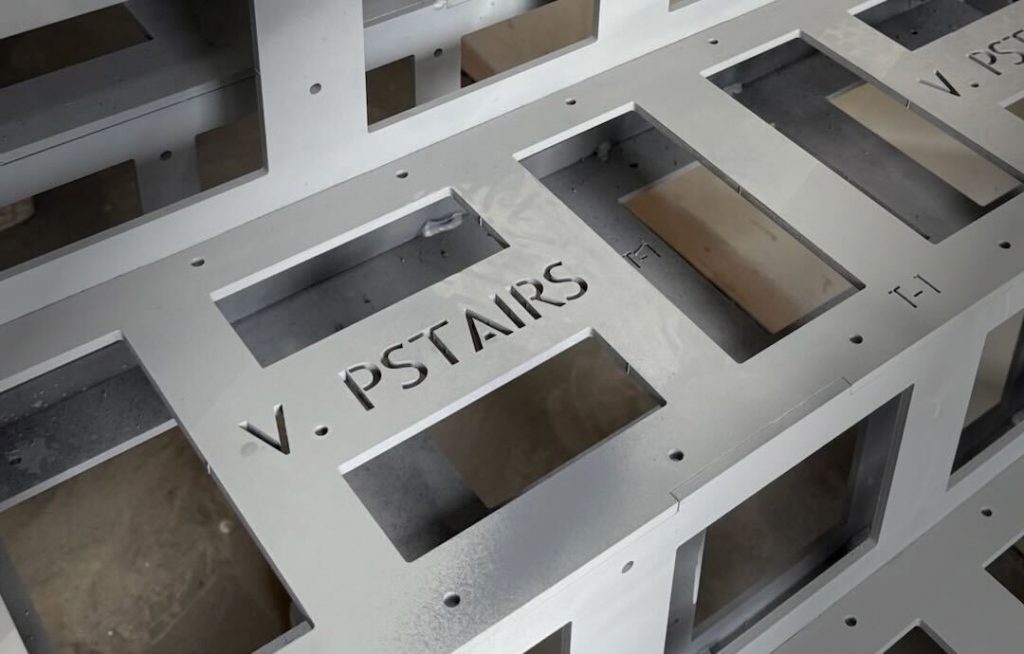
At V.PSTAIRS, staircase design always begins with structural planning. While aesthetics remain important, the primary goal is to ensure that the staircase performs reliably for many years. Our approach focuses on using structural steel that matches the expected loads within the staircase. Load-bearing frames are typically built using high-strength steel such as S355, which provides excellent rigidity and resistance to deformation. Secondary elements may use S235 where appropriate.
What else would we like to highlight? Every staircase is carefully engineered to distribute loads efficiently throughout the frame. So, precision fabrication and accurate installation help ensure that each component fits exactly as designed. If you would like to learn more about our approach, please contact us for a free consultation. We will provide feedback as soon as possible and answer all your questions!