What to Know About Staircase Project Acceptance? A Simple Handover Checklist for Homeowners
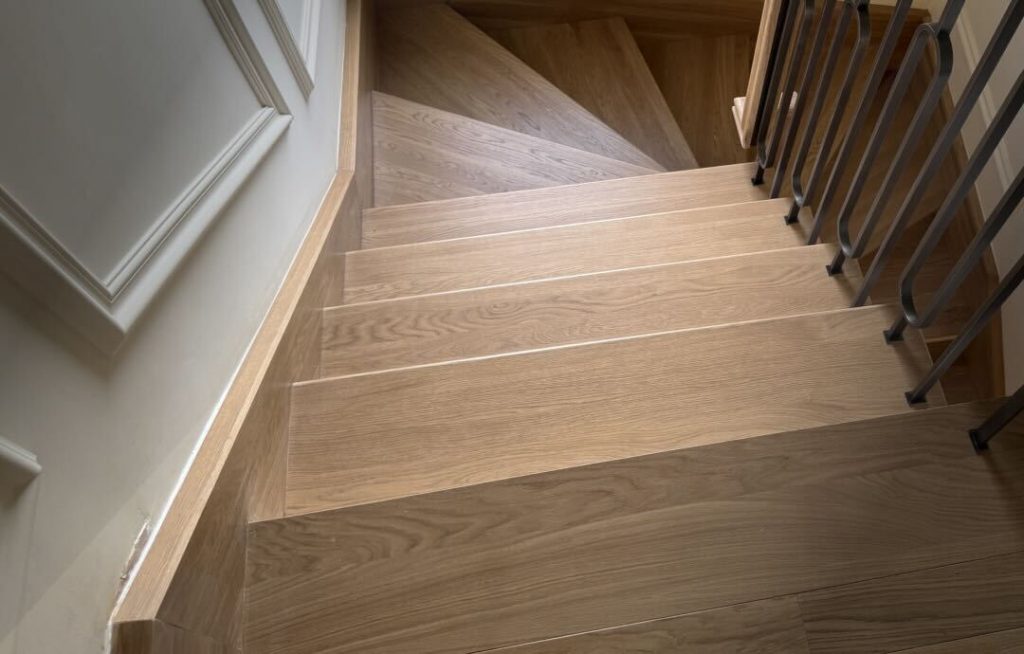
As practice shows, most homeowners in the UK prefer to work with professional staircase builders rather than DIY. This is undoubtedly the right decision, as only experts can ensure that the staircase meets high standards of safety, functionality and aesthetics. 

However, contractors and builders vary. This is one of the main reasons why you should definitely find out what to look for when accepting a project. Even minor deviations from the design or non-compliance with quality standards can become a serious problem in future use. That is why we decided to prepare an article providing you with rules for accepting a staircase project. This is material that can save you time, emotional health and money! 

Understanding the Acceptance Process in a Staircase Project

Acceptance is the formal point at which your new staircase is handed over and you agree it meets the approved drawings, specification, and the standard of workmanship you’ve paid for. It occurs after installation and initial cleaning, before the installer fully demobilizes. Treat it as a structured inspection, not a quick walk-through: arrive with the latest drawings, variation log (if any), and be ready to test alignment, stability, and finish. The goal is quite simple! You need to confirm compliance, record any defects (snags) with photos, and agree on how and when they’ll be put right.

  • It ensures the staircase meets Building Control and safety requirements before everyday use.
  • It helps document quality and workmanship, creating a record for warranty or insurance.
  • It provides a clear, objective point for discussing any imperfections or missing details.
  • It prevents small issues (like minor alignment errors) from growing into costly repairs later.
  • It gives homeowners confidence that every material and finish has been correctly installed and protected.

Conclude by agreeing on a realistic rectification timetable, access arrangements and a re-inspection method. Only sign the acceptance once snags are closed (or clearly scheduled) and you’ve received the handover pack. Keep the paperwork and follow the care guidance. Early maintenance protects the finish and preserves your warranty.

Staircase Acceptance Checklist

The project handover process is an important stage, because once the document is signed, any problems will become your headache. It is very important to identify any discrepancies or shortcomings before you sign the final document. That is why we do not recommend being negligent about this process or ignoring it altogether. Based on our extensive experience in staircase construction and installation in the UK, we have prepared a special four-point checklist. Check them to make sure that the staircase meets all quality parameters!

1. Treads, Risers & Comfort

treads and risers

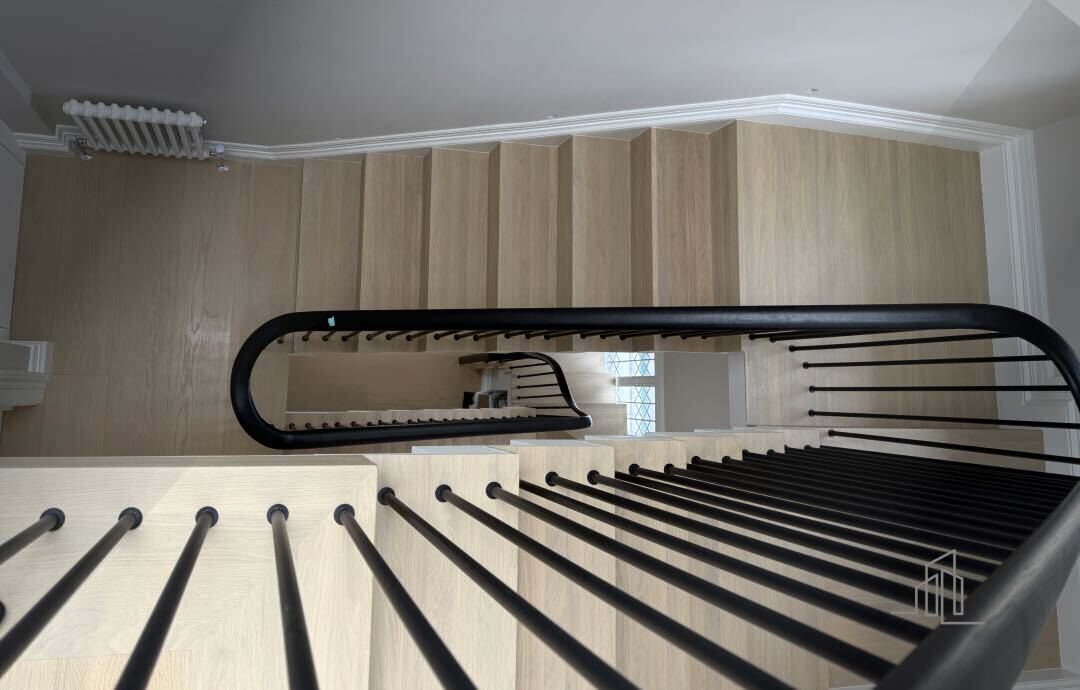
Start with the feel underfoot. We mean rises and goings should be consistent, so the rhythm of your step never changes unexpectedly. Nosings must be clean and even; edges shouldn’t catch socks or feel sharp to the touch. Walk the centre and the outer thirds of each tread. You’re checking for squeaks, bounce, or hollow spots. If the design includes open risers, confirm the gap looks intentional and doesn’t create a visual “trap” when you move.

Look at the relationship between winders, landings and the main flight: the step width where your foot actually lands must remain generous. Surface grip matters in socks as well as shoes. Finishes should provide reliable traction without looking abrasive. Choice of staircase materials directly affects comfort, noise and long-term maintenance, so judge what you feel now against how it will age with normal use. 

2. Handrails & Balustrades

handrails and balustrades

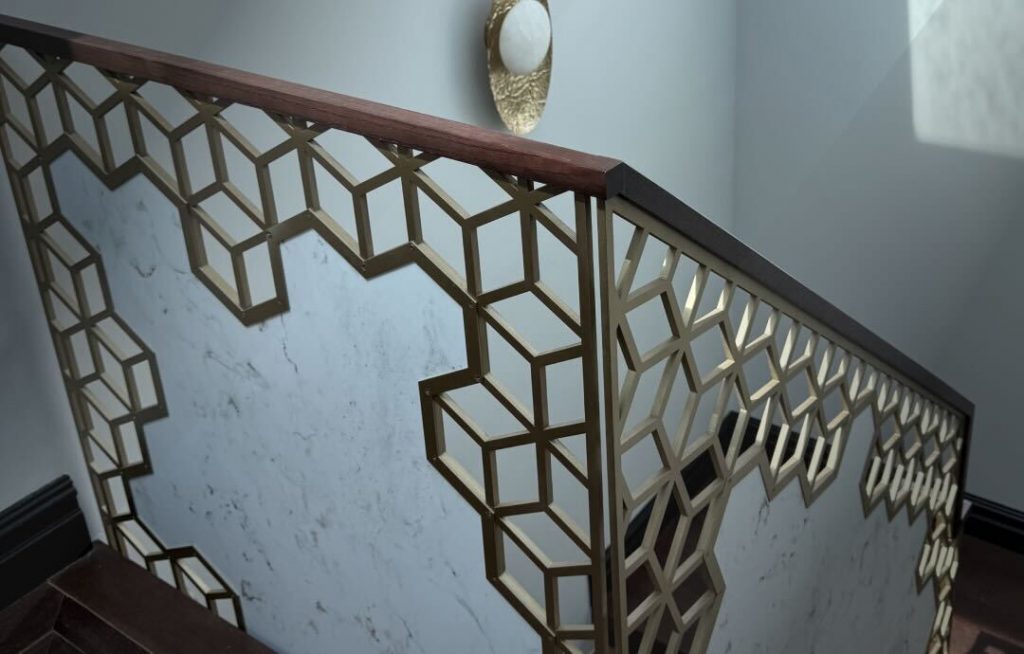
Run your hand along the rail in both directions. It should feel continuous, comfortable to grip and free of snags. Transitions at corners and terminations must be smooth, with no “hooks” to catch clothing. Test rigidity by applying a firm lateral push: posts, brackets and fixings shouldn’t budge.

Step back and assess rhythm and spacing: balusters or panels must be evenly aligned, with straight sightlines along the flight. Glass edges should be polished and well protected in channels; metalwork must be free from burrs. Where the rail meets a wall or newel, the junction should be tight and purposeful, not relying on excess filler.

Want to learn more about balustrades and handrails? Read our blog about the latest options for covering handrails with different materials here → https://vpstairs.com/comparison-of-balustrade-coatings-gold-brass-and-natural-leather/ 

3. Finishes & Detailing

finishing wood for staircase project

Surely, your new staircase should match the preliminary 3D visualised mock-ups. We are talking about its finish and detailing. For example, take a look at the V.PSTAIRS portfolio right now. As you may have noticed, each project is a unique design witha high-quality finish and coating. 

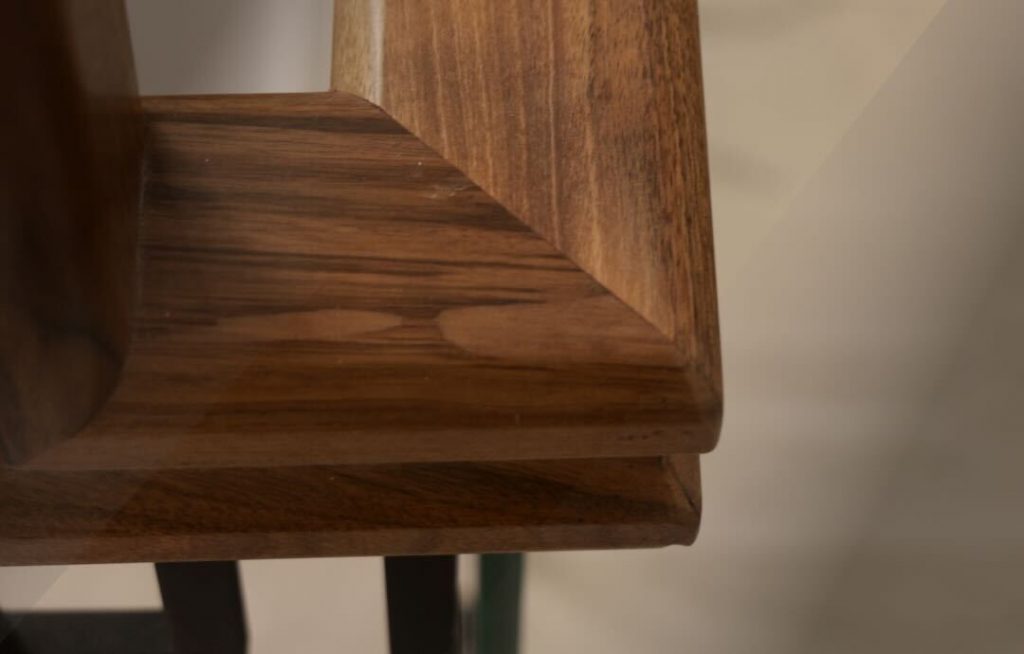
So, examine surfaces in natural and artificial light. You’re looking for consistent sheen and colour, no dust nibs in lacquer, and zero paint runs at undersides or returns. Check interfaces carefully: neat sealant lines to walls and floors, tidy shadow gaps where specified, and crisp mitres on trims. Temporary site protection should still be in place where other trades remain, and removal instructions must be clear to avoid damage.

4. Documentation & Sign-Off

staircase handover

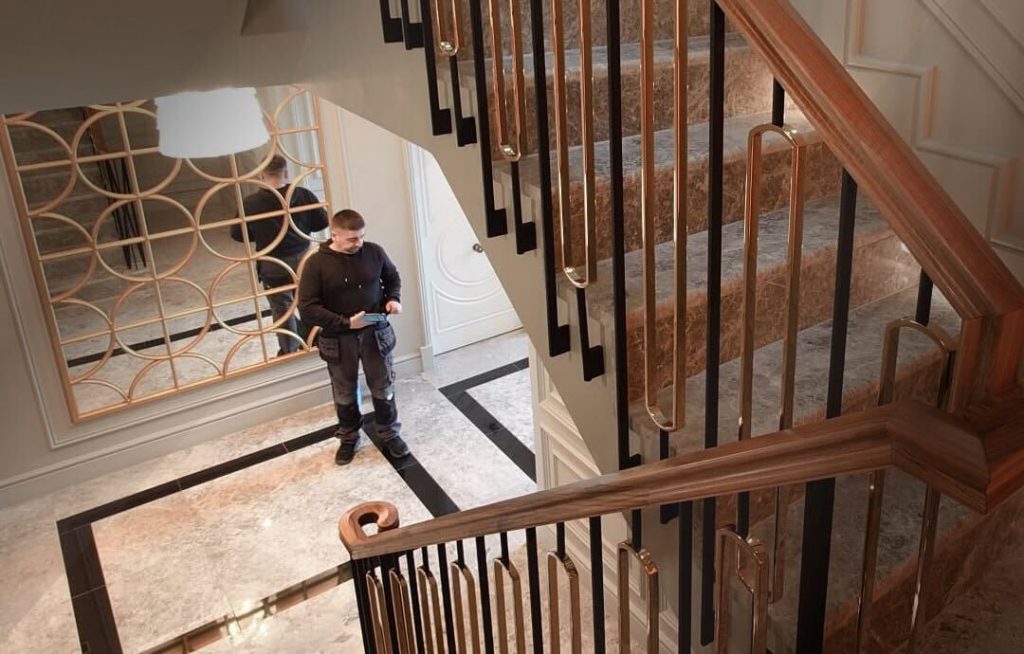
The acceptance process relies on paperwork as much as visuals. Ensure you receive the approved drawings set, any variation records, product data sheets, and a concise care guide covering cleaning agents and periodic checks. Warranty terms must be explicit about coverage, durations, and response times. If specialist elements are present (e.g., laminated glass), request manufacturer attestations or labels confirming type and thickness.

Record snags with photos and simple location notes, then agree rectification dates and access arrangements in writing. Keep a copy of the final acceptance form, plus a short aftercare schedule (e.g., a three-month fixings check).

Carefree Cooperation with V.PSTAIRS

Now you know that accepting a staircase project should involve more than just a one-minute inspection of the structure. Before you sign the acceptance certificate, you need to examine and check a number of things. Are there any strange squeaks, do the materials match what was planned, does the staircase match the original design, and much more.

A thorough and timely inspection can save you thousands of pounds. What’s more, choosing the right service provider also saves you money. For example, working with V.PSTAIRS is an investment in quality and the best result. Our customers are satisfied with what we do and receive additional quality guarantees. If you are interested in installing or renovating a staircase, simply contact us in any convenient way to discuss the project in more detail. Our managers will contact you as soon as possible to provide a free consultation!