The Complete Guide of Feature Steps for Your Staircase in 2026
Have you ever wondered what could make your staircase truly unique? At V.PSTAIRS, we have completed dozens of different projects, implementing various technological solutions. Your staircase can be unique thanks to an unusual combination of materials, a rare shape, and the implementation of feature steps. This is one of the most common elements that people underestimate when planning the construction of a staircase.
What are they? What do they look like, and do they affect safety, functionality and aesthetics? If you are not yet familiar with feature steps, you may have many logical questions. That is why we have prepared this article. Here we will tell you in more detail when it is worth adding feature steps and how best to do it!
Understanding Feature Steps
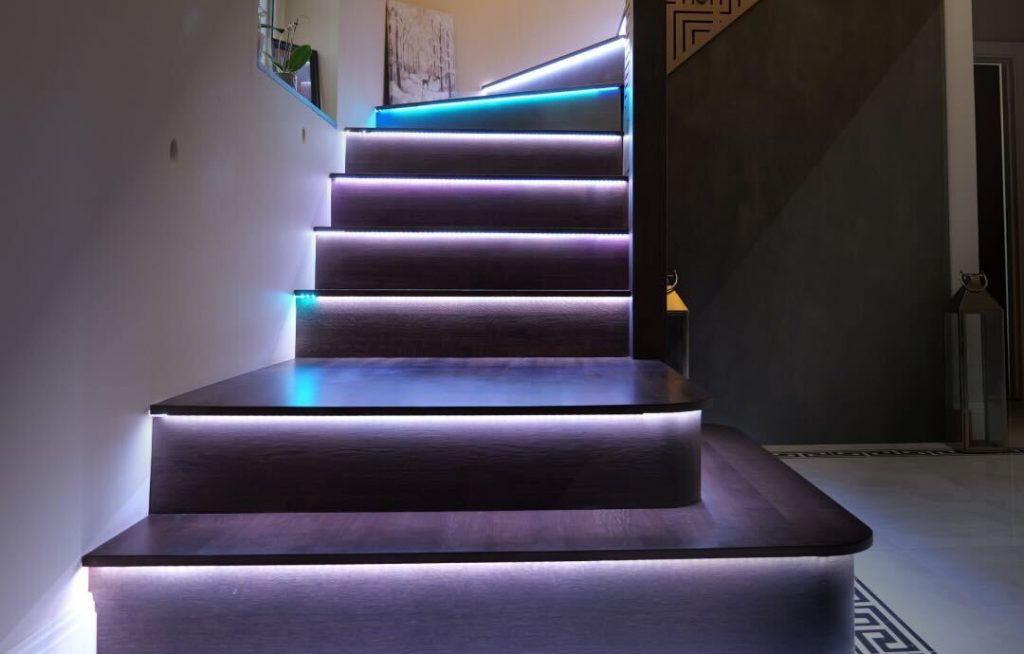
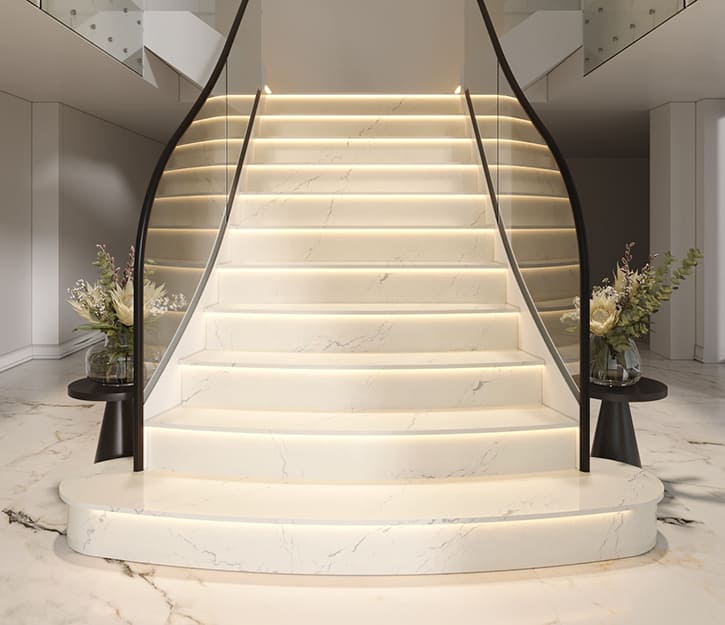
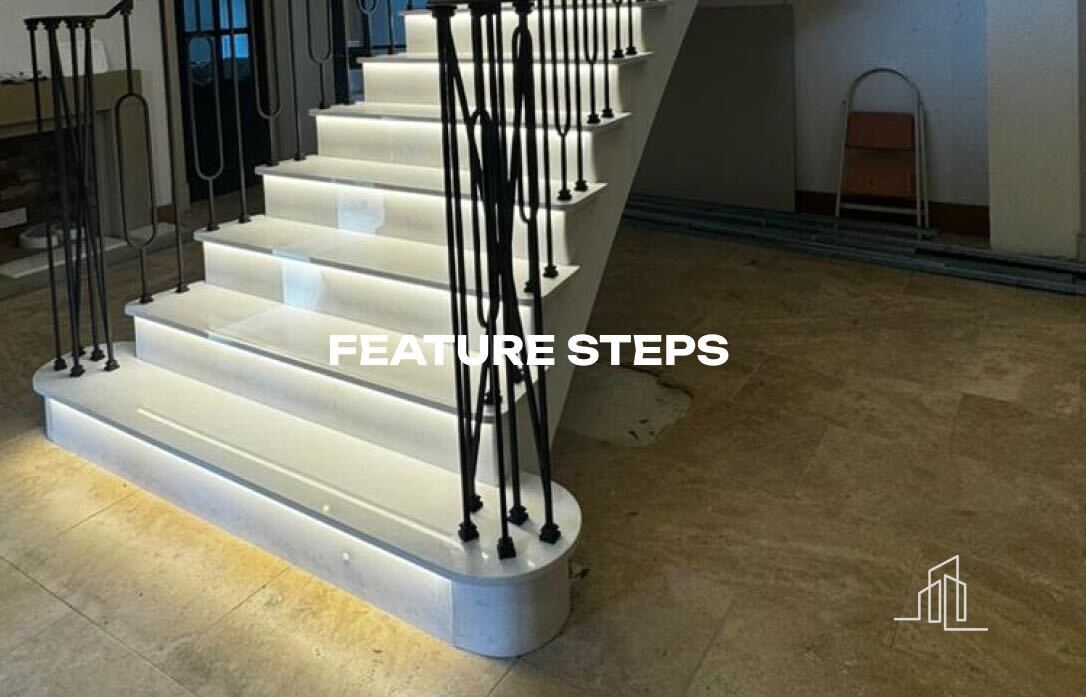
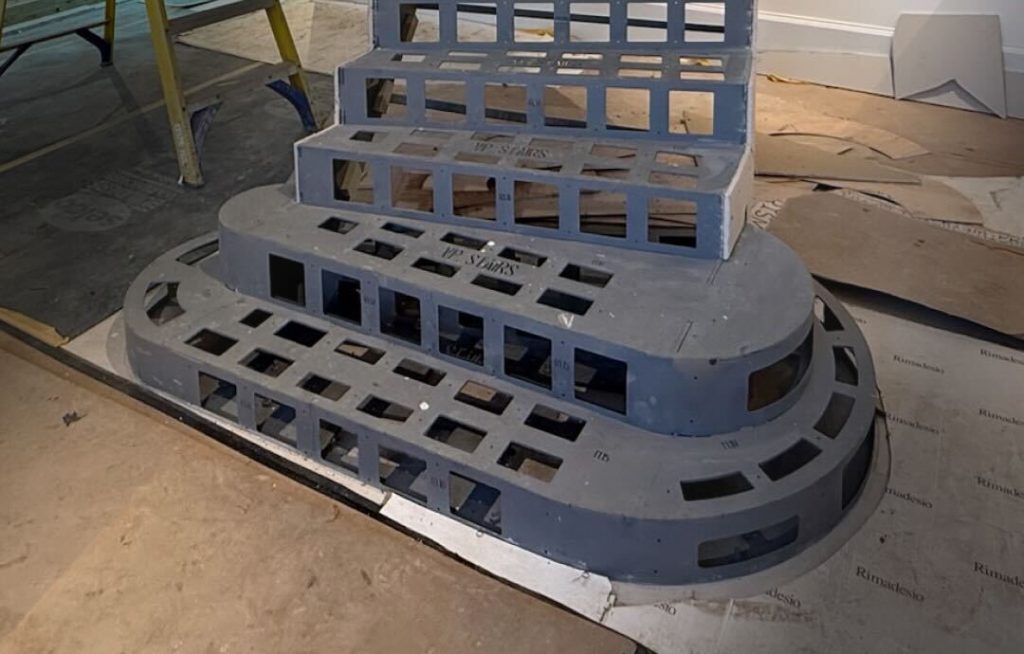
Let’s start with a clear definition of this term. A feature step is a specially designed first step that provides a visual anchoring point of the staircase. It is not like a normal starting step, as it tends to be bigger, curved, extended or shaped to make the transition between floor level and the stair flight a much easier and graceful one.
In addition to looks, it has an architectural purpose. The feature step is well-proportioned to facilitate flow in the hallway, to increase the symmetry and to provide the staircase with a customised look. So, this is the detail that is often employed in high-end homes to enhance the general appearance of the home without overpowering the space.
Several Reasons to Add Feature Steps to Your Project
The feature step addition is not just a mere aesthetic point. It is a strategic design choice. It improves the feel of the staircase, its functionality, and its inclusion with the overall interior design. Key advantages include:
- Bigger graphic at the entrance of the staircase.
- Felt more comfortable stepping on the first tread.
- Smoother open-plan design.
- More flexibility of design of balustrades and handrails.
A feature step is a distinguishing feature that is elegant and user-friendly when done right, especially when it forms the centre of attention in the house where the staircase is located.
What Are the Options Today?
These days, feature steps in the UK are available in a wide range of shapes, finishes and staircase materials, giving homeowners flexibility in both traditional and modern staircase design. From subtle extensions to statement curves, bespoke staircase options continue to evolve in 2026.
1. Main Types
Bullnose steps with rounded edges and symmetry of the designs to make a double bullnose and square feature steps are the most commonly known feature step styles to be used in modern staircase designs. The curved feature steps, or sweeping, are effective, especially in bigger entrance halls where a grand staircase design is required.
Both styles impact the general look of a staircase. Minimalist architecture is supported by clean lines, with warmness and fluidity being provided by soft curves. The choice of the right type will rely upon layout, space available and desired effect.
Learn how to give your staircase more character with iron spindle shoes in this article → https://vpstairs.com/iron-spindle-shoes-for-modern-staircase-balustrades/
2. Materials and Finishing
The selection of the material is at the centre stage of staircase construction. Wood is still among the most demanded in the UK because of its sustainability and classicism. The stone feature steps are a bold architectural feature, especially in luxury houses, whereas in combination with timber or metal constructions, glass elements can bring out a modern and light-enhancing effect.
The finishes are natural oak and stained hardwood, matte lacquers and contrasting nosings. Quality staircase material will provide the durability of the staircase and a safe and elegant look that is in harmony with the whole staircase installation.
Want to see real-life examples? Seeing how this solution has been implemented in other projects is a great idea. For example, take a look at our recently completed Imperial project. This is a luxurious T-shaped metal frame staircase, custom-made for our client. It has one feature step with the addition of white marble with a unique pattern. Looks great, doesn’t it?
What to Pay Attention To?
- Proportions in relation to the stair flight. The feature step must feel like a natural extension of the staircase, not an oversized addition. Its width, depth and curvature should align precisely with the geometry of the stair flight to maintain balance and visual harmony.
- Available floor space in the hallway. Feature steps often extend beyond the line of the staircase. It is essential to assess circulation space to ensure comfortable movement around the base of the UK stairs, particularly in entrance halls and open-plan layouts.
- Compliance with UK building regulations. Risers, going, nosing projection and structural integrity must meet current UK standards. Even decorative elements must comply fully with safety requirements.
- Material durability and long-term performance. As the most frequently used tread, the first step experiences significant wear. Selecting high-quality staircase materials ensures longevity and maintains the premium appearance over time.
Make Any Idea a Reality with V.PSTAIRS
At V.PSTAIRS, we specialise in bespoke staircase design and installation across the UK. Each of our custom staircases is designed with accuracy, and the feature steps are designed to look nice on the staircase; they are crafted to a point of functionality as well.
Getting free consultation is the most appropriate place to begin. Your space will be evaluated by our team, measurements will be done and a clear quotation will be given to you before making any commitment regarding finances. This also guarantees that your staircase project will be planned properly at the beginning and will be a high-quality product.