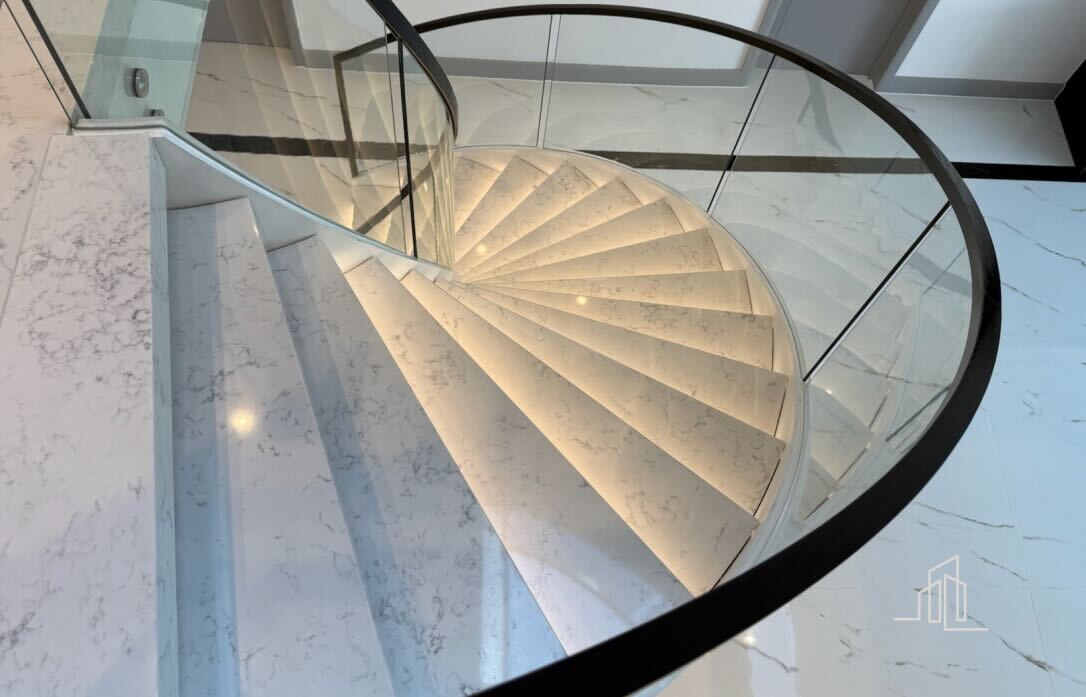
Is a Marble Staircase Hard to Maintain? Key Things to Consider
A marble staircase can change your home within seconds. It is architectural, costly and eternal to a very few staircase materials. However, it is worth looking beyond the visual effect when deciding what one to choose. In real life, maintenance of marble stairs is not only based on the cleanliness of the surface. It is about knowing how the stuff reacts to daily utilisation, what may harm it and the type of maintenance that contributes to making it spectacular over the years.
It’s an important point because of one simple reason. That a right decision made in the very beginning can save a homeowner a lot of money, stress and unnecessary repairs in the future. We examine the points that make the most difference to marble stairs in regular use in this guide. So, you can decide whether this luxurious material can really fit in with your house, your lifestyle and your prospects!
Why Marble Is Used in Bespoke Staircases
Marble has continued to be one of the most sought-after mediums in custom staircases UK since it has a depth, movement and a feeling of quiet luxury that few finishes can naturally provide. Each of the slabs is unique. And as such, a marble staircase does not feel like a typical construction part.
- A high-end and classic look.
- Natural veins and colour differences are unique.
- Good visual effects in traditional and contemporary interiors.
That is the attraction of many homeowners. The interior can be transformed when the wonderful marble staircase is designed as the highlight of the hallway. The trick is not to ignore one or the other side of the material. Its beauty and practical aspects that will accompany the choice of a natural stone staircase.
The Main Maintenance Challenges of a Marble Staircase
As you may have realised, natural marble is one of the most popular materials for staircases in 2026. It’s true! On the other hand, before making your final choice, it is worth considering not only the advantages (but also the key drawbacks and challenges). When it comes to marble, its downsides lie in its maintenance, as it is a rather delicate material. Below, we have compiled the main challenges and pitfalls associated with marble staircases that no one else will tell you about!
1. Marble Can Stain If Spills Are Not Removed Quickly
One of the most important things to know about marble staircase maintenance is that speed matters. On a busy staircase, a spill may not always be noticed immediately, especially on landings or lower treads. Drinks, food residue or dirt brought in from outside can leave marks if they are left to sit for too long.
That is why marble stairs often require a more attentive routine than homeowners first expect. The Natural Stone Institute notes that stone surfaces should be blotted immediately after spills. And it specifically lists organic staining agents such as coffee, tea, fruit and food among the common causes of marks on stone.
2. Marble Is Sensitive to Acidic Substances
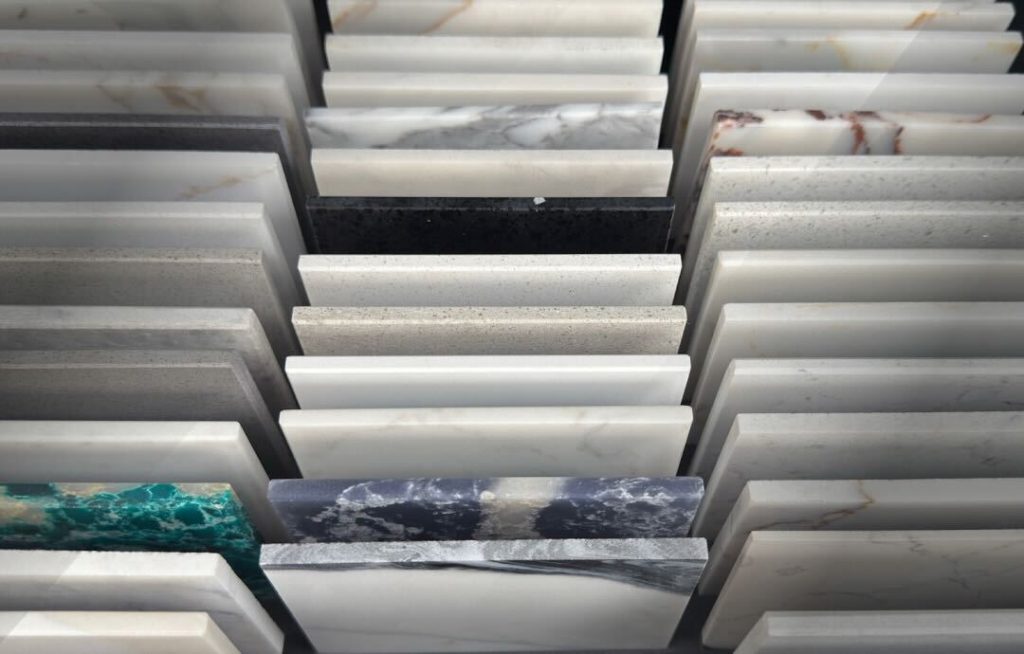
Marble is sensitive to acidic substances. Why is that so? To answer this question, we need to take a closer look at the structure of natural marble. It contains a base mineral called calcite. It is this mineral that reacts adversely to acidic liquids. This has been proven in a study by Princeton University on acid-resistant coatings on marble.
This is what makes marble stand out on so many other materials used as staircase materials. It is not necessarily an area of darkness but merely a dull part or a softened surface. This is to say that over time, marble is capable of responding to not only the apparent spillages but also the inappropriate cleaning practices.
3. Marble Requires More Care with Cleaning Products
The other observation that several homeowners fail to understand is the fact that marble fails to react positively to the ad hoc cleaning regimen. What appears to be an innocuous product on other hard surfaces would not be a good fit on a marble staircase. This is particularly significant in the family homes where a quick and easy method of wiping things down is the natural desire of people.
With natural stone, the choice of the product must always correspond to the material composition. We recommend that knowledge on the classification of the stone enable the user to know the best cleaning products to use and how to take good care of it. Practically, that implies that marble staircase cleaning requires a less carefree attitude than several of the contemporary engineered surfaces.
Discover what determines the durability of a staircase here → https://vpstairs.com/what-does-the-durability-of-your-staircase-depend-on/
4. The Surface Can Show Wear Over Time
As you already know, marble is durable. But… it is not immune to everyday wear. In a high-traffic home, repeated footfall, grit on shoes and small impacts can gradually affect the finish. The surface may begin to look less crisp than it did on the day of installation, especially in the most frequently used parts of the staircase.
That does not mean a marble staircase is a poor investment. It simply means the material ages in a visible way and may need periodic professional attention to stay at its best. Slight surface scratches may sometimes be buffed, while deeper scratches and nicks generally require repair and re-polishing by a professional.
5. Polished Marble Can Be Slippery Underfoot
Have you ever thought about stair safety? As stair safety statistics show, around 1,000 people in the UK die every year as a result of injuries sustained on stairs. That sounds awful, doesn’t it? And in this context, stairs made of natural marble do not fare particularly well. That is why slip resistance, finish selection and careful staircase detailing matter just as much as visual appeal.
The Best Alternative in 2026
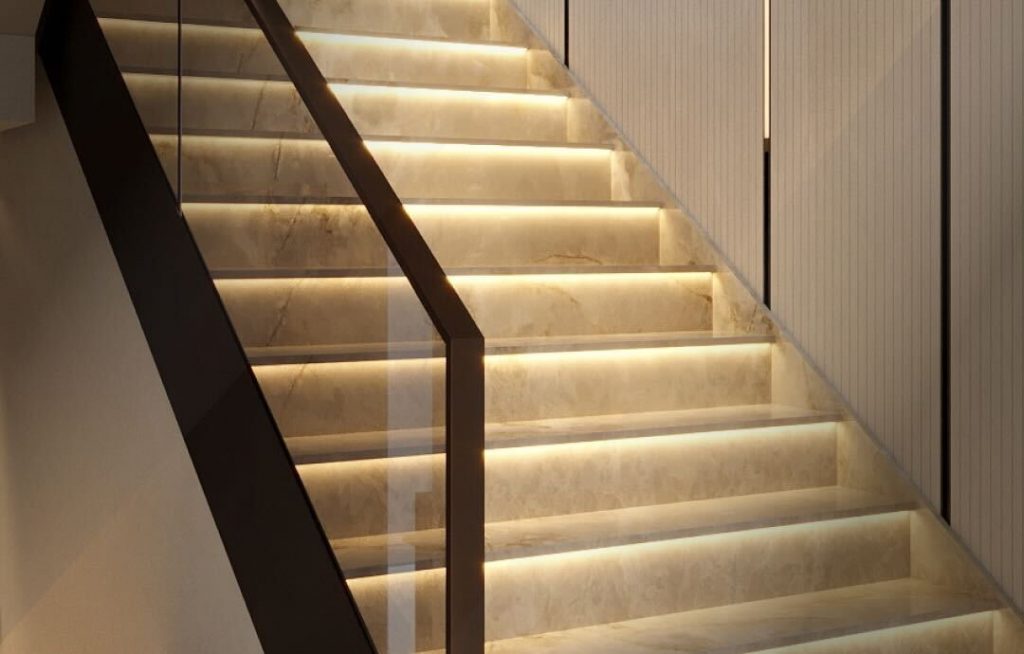
Marble is an excellent material that is often found in luxurious staircases in the UK. However, many people simply do not give much thought to its maintenance. Without regular maintenance, the condition of marble features will deteriorate. That is why at V.PSTAIRS we offer an excellent alternative in the form of high-quality quartz. Here are the main advantages of quartz in staircases:
- Marble-inspired veining with a more consistent finish.
- Easier everyday cleaning with soap and water.
- Strong stain resistance and simpler long-term upkeep.
That does not make quartz better in every case. Marble still has the natural individuality that many clients specifically want. But if the priority is a staircase that keeps a refined appearance with less maintenance pressure, a quartz staircase is often the more practical choice.
Get Expert Advice Before Choosing Materials
A marble staircase can be a stunning investment, but it works best when the homeowner understands exactly what the material needs from day one. The smartest projects are not based on trends alone. They are based on choosing staircase materials that suit the design, the household and the way the home is actually used.
If you are comparing marble with lower-maintenance alternatives such as quartz, the best next step is to get expert guidance before making a final decision. So, book a free staircase materials consultation to discuss your project!
3 Comments
-
Harry Scott
My large family and I have been using a staircase with marble steps for over 10 years now, and we haven’t had a single problem! Seriously, we also have two cats who scratch the marble with their claws, but I can’t see any scratches or other damage.
-
Jude Formann
It may take some effort and cost me a bit of money, but you’ll be missing out on a lot if you choose other materials. Marble will make your staircase truly luxurious.

Comments are closed.


George Lewis
Yeah, I think maintaining a marble staircase is more difficult than many contractors make it out to be. In my personal opinion, this material looks good but has a couple of major drawbacks – its cost and the need for complex maintenance. I’d rather focus on cheaper metal structures.