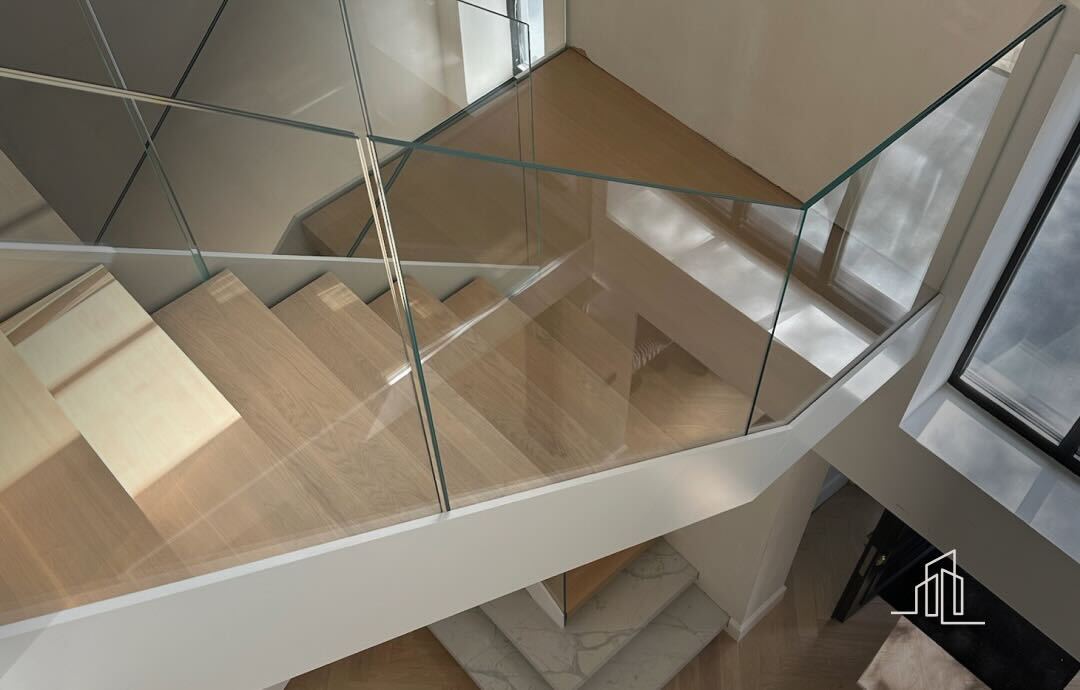
5 Types of Glass for Staircases and Balustrades
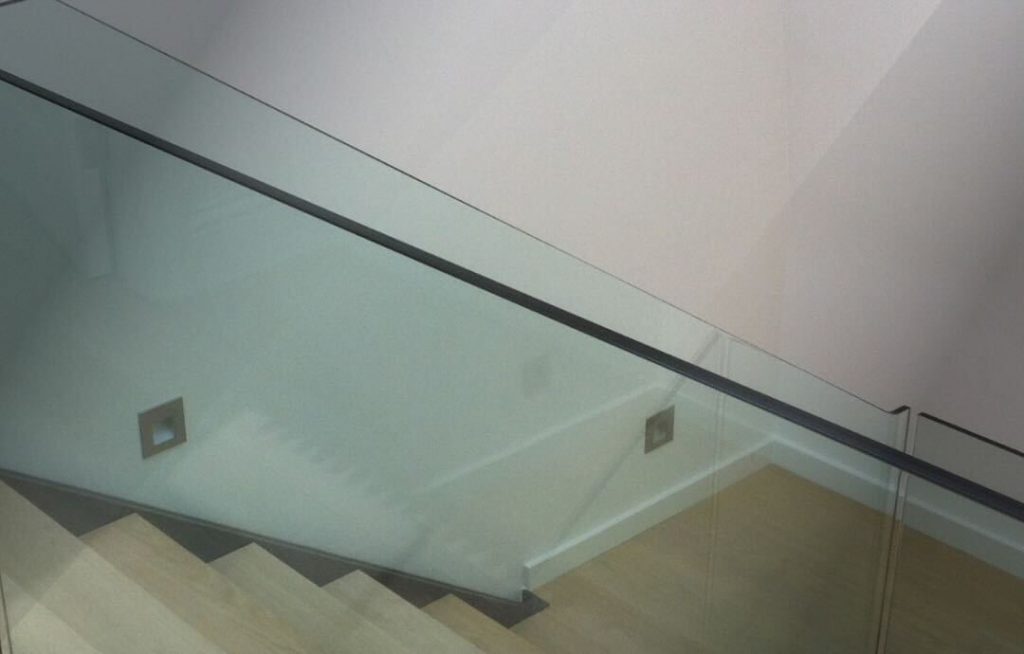
Glass can make a staircase feel lighter, cleaner and far more refined, but not all glass staircase panels are the same. Some types are chosen for strength, some for clarity, and some for a more decorative finish. So how do you know which one is actually right for your home?

In this article, we look at five types of glass used in staircases and glass balustrades. We will explain how each option performs, where it works best, and what you should consider if you want a staircase that feels both practical and premium.

Why Glass Choice Matters in a Staircase Project

The initial thought that comes to mind when someone considers a glass staircase or glass balustrade is the visual outcome. That is logical, as glass is much more illuminated, which expands the space and provides a staircase with a very modern look. Nevertheless, the nature of the glass used also influences safety, clarity of the edges, privacy, durability over time and general appearance of the project. That is, the right staircase glass is more than just all about style. It is also concerning the performance of the staircase in normal operation. A good option must be incorporated in the design, the construction of the house and the amount of protection you require in safety glass in the stairs. There are also types of glass that are more resistant to impact and:

  • Others are more refined and high-end.
  • Others have superior post-breakage behaviour.
  • Others are primarily selected as decorations.

This is the reason why glass must always be regarded as among the best materials to use in a staircase and not merely a finishing ornament. When you need to compare glass to timber, stone and other fine materials, our staircase materials guide can be a good place to start.

1. Toughened Glass

Example of toughened glass in staircase project

Toughened (tempered) glass is a safety glass that has been heat-treated to make it much stronger than standard glass. It is created by heating the panel to a high temperature and then cooling it rapidly, which changes the internal stresses and improves its resistance to impact and everyday use.

It is commonly used for glass balustrades, side panels and other staircase elements where a clean, minimal look is required. And its main advantage is strength, along with a sleek appearance that suits contemporary interiors. So, it is a practical choice for homeowners who want durability, transparency and a modern finish.

2. Laminated Glass

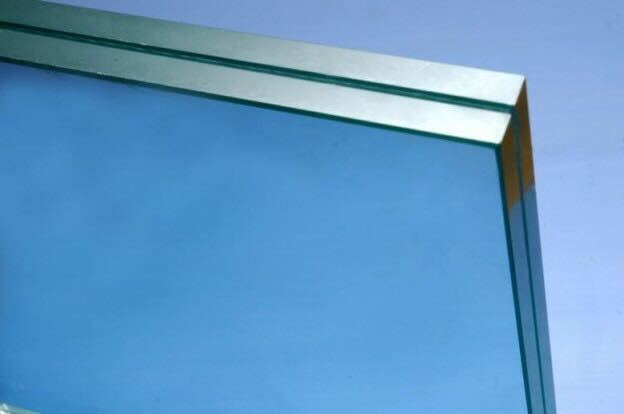
Using a laminated glass for stair

The next option we want to talk about is laminated glass. This is a type of bonded glass, bonded together with two or more layers, with an inter-bonded clear layer, typically bonded under pressure and heat. How does it work? Such a construction allows the panel to be more stable in case it is broken since the pieces are likely to remain attached to the internal layer and not fall to pieces at once.

It is commonly applied to balustrades and protective glass panels where extra peace of mind is a concern. Laminated glass can be appreciated due to its safety level, dense feel and graceful look. It may also aid in the reduction of noise and make a staircase more secure and substantial but still light and open as glass is.

3. Toughened Laminated Glass

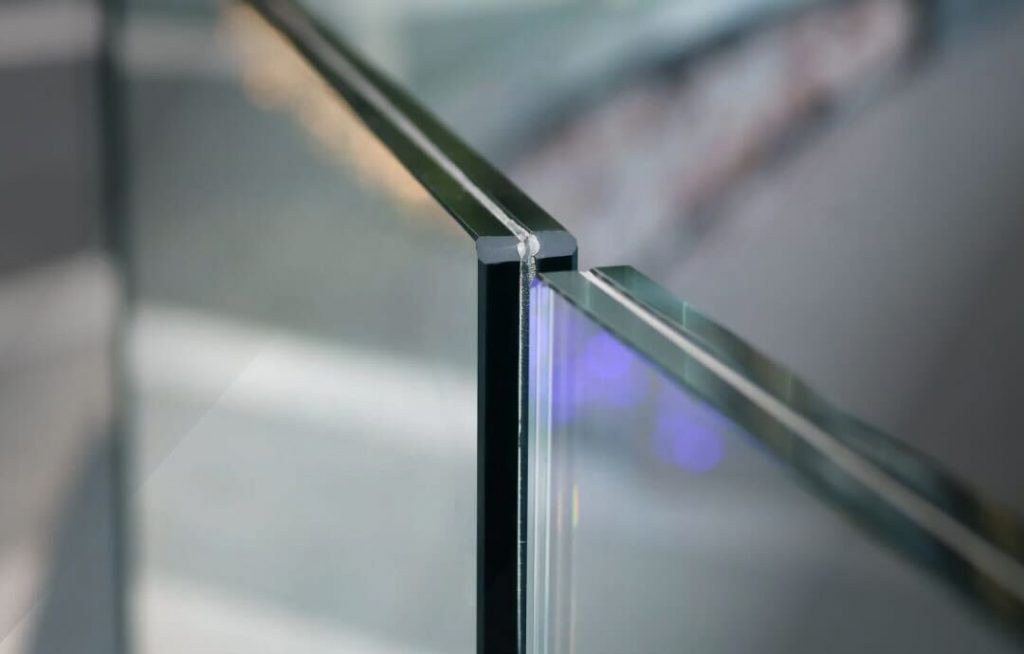
Combination of toughened and laminated glass

Laminated glass that is toughened is a combination of both processes. The sheets of glass are first hardened and then the layers are attached with an interlayer to form a panel that is not only stronger but also has enhanced retained integrity in case of a breakage.

Premium staircases, frameless balustrades and other structural-appearing glazing components are some of the elements that generally use this type of glass. It is popular due to the fact that it combines the best attributes of both systems: strength, safety and more reassuring performance in normal family usage. It is one of the most comprehensive and luxurious glass choices on many of the bespoke staircase projects.

4. Low Iron Glass

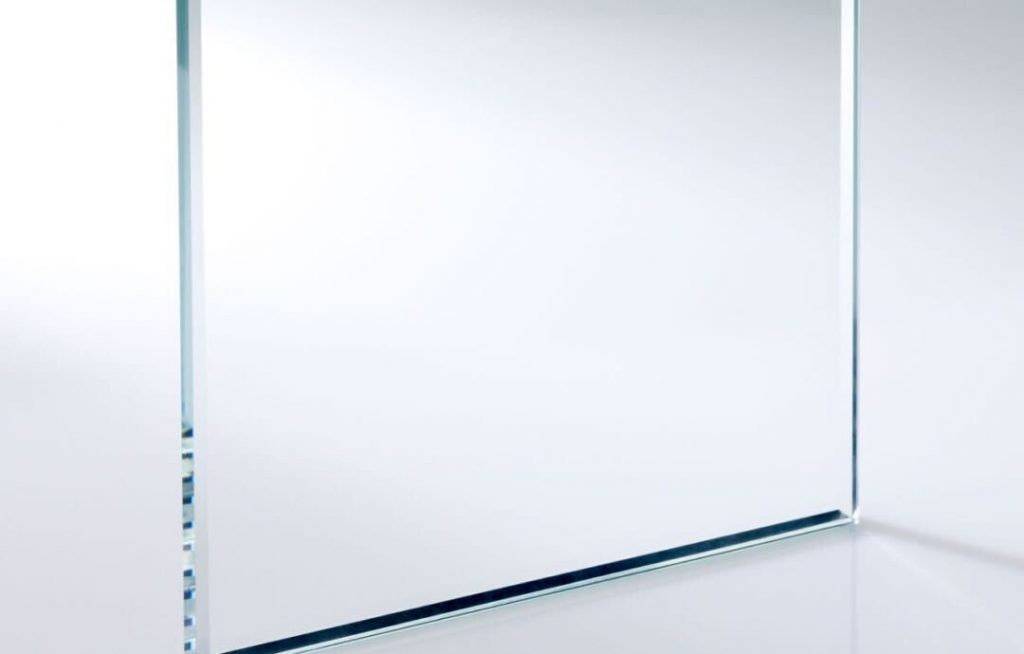
High-clarity glass manufactured by reducing the iron oxide content in standard float glass

Low iron glass is designed for visual clarity. It is produced with reduced iron content, which removes much of the greenish tint often seen in standard clear glass, especially around the edges. The result is a cleaner, brighter and more colour-neutral panel that feels noticeably more refined.

It is commonly used for premium glass balustrades and staircases where the visual finish matters as much as the structure itself. Low iron glass is ideal for minimalist interiors, frameless designs and spaces with plenty of natural light. Its main advantage is aesthetic quality, helping the staircase look lighter, sharper and more luxurious.

5. Metal Mesh Glass

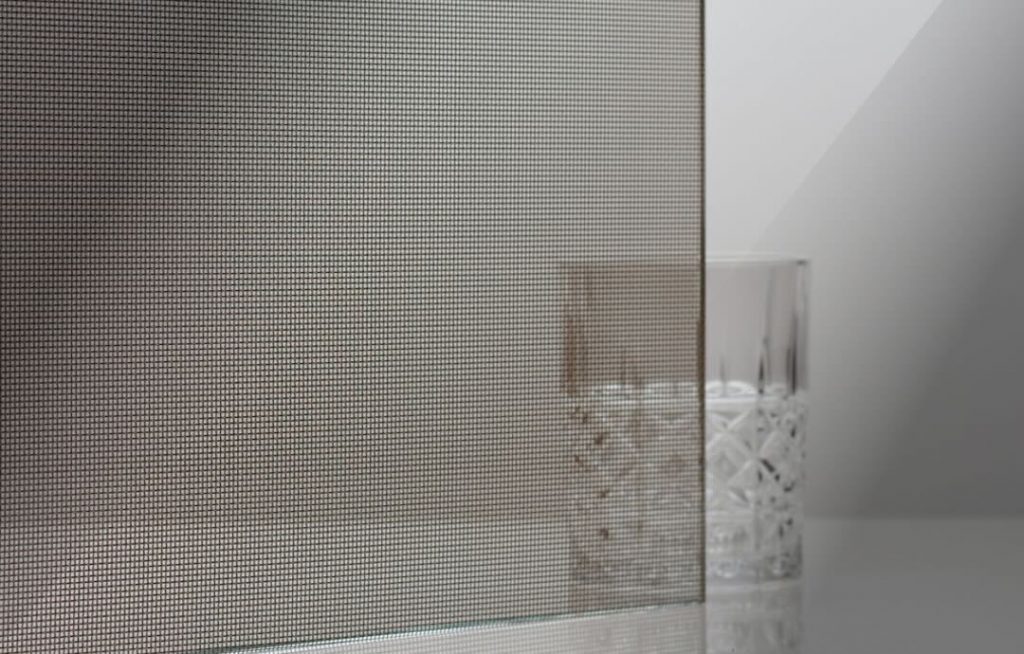
Decorative safety glass created by laminating a woven metal mesh

Decorative metal mesh laminated glass is a decorative glass that is created by inserting a fine metal mesh between layers of laminated glass. Lamination is done with the mesh enclosed in the panel, and the result is a surface that remains smooth and polished but has been given depth, texture and visual appeal.

It is typically applied to feature balustrades or statement staircase designs and not necessarily a minimal scheme. This glass is the perfect fit in case the staircase is supposed to be conspicuous and a part of the interior design vocabulary. The primary strengths of it are character, the safety and the structure of laminated glass with a more unique architectural appearance.

How to Choose the Right Glass for Your Staircase?

The optimal option would be based on what is important in your project. There are clients who desire the best possible look. Some are more concerned with safety. Others want the staircase to be an element of design on its own. That is why the decision regarding the principal types of glass to use in staircases should not be diminished to the level of appearance. You must remember how the staircase will be utilised and how the glass will interact with the rest of the materials used in the scheme. So, here are our tips:

  1. Select hardened glass in a clean and practical contemporary solution.
  2. Use laminated glass in case post-breakage behaviour is paramount.
  3. Select hardened laminated glass to complete a high-end specification.
  4. When visual effect is most important, use low-iron or metal-mesh laminated glass.

Balancing performance and design is likely to produce the most successful projects as opposed to pursuing a single feature in isolation. This is evident in the V.PSTAIRS portfolio, where glass is applied in various applications as per the architecture, materials and feel the client intends to attain. In case you are designing a custom staircase, you should always consider the review of the glass as an extension of the entire design concept and not as an add-on element.

Wrapping Up

There is no single best answer for every staircase! Toughened, laminated, low-iron and metal-mesh laminated glass all have their place, and the correct one can be chosen depending on the trade-off between safety, clarity, design purpose and cost. A glass staircase must be beautiful, but it must fit your lifestyle.

In case you are considering using glass balustrades on stairs or you are interested in a completely custom-built glass staircase in your house, V.PSTAIRS is offering you a free consultation to help you to make the best possible choice. We can discuss the design, the aesthetic direction and the right glass specification for your project and then lead you to a staircase that would be so graceful, useful and durable!